Storm season · · 5 min read
Storm season roof checklist for Melbourne homes
Melbourne storms do not break good roofs. They find the weak spot that was already there. Here is what fails first, what you can check from the ground, and when it is time to get someone up there.
Most roof storm damage in Melbourne is not caused by the storm. It is caused by a fault that was already sitting there, waiting for enough wind and enough water to find it. Late spring and summer is when that happens. Hot days dry out and crack old mortar, then a storm cell comes through in the afternoon with heavy rain driven sideways by the wind. A roof check before summer is the cheapest way to make sure your roof is not the one that lets go.
This is the order things usually fail in, what you can safely check yourself, and what needs a roofer.
What roof storm damage in Melbourne usually looks like
Storms test the same four places on almost every house. If one of them is already weak, that is where the water gets in.
1. Ridge capping pointing and bedding
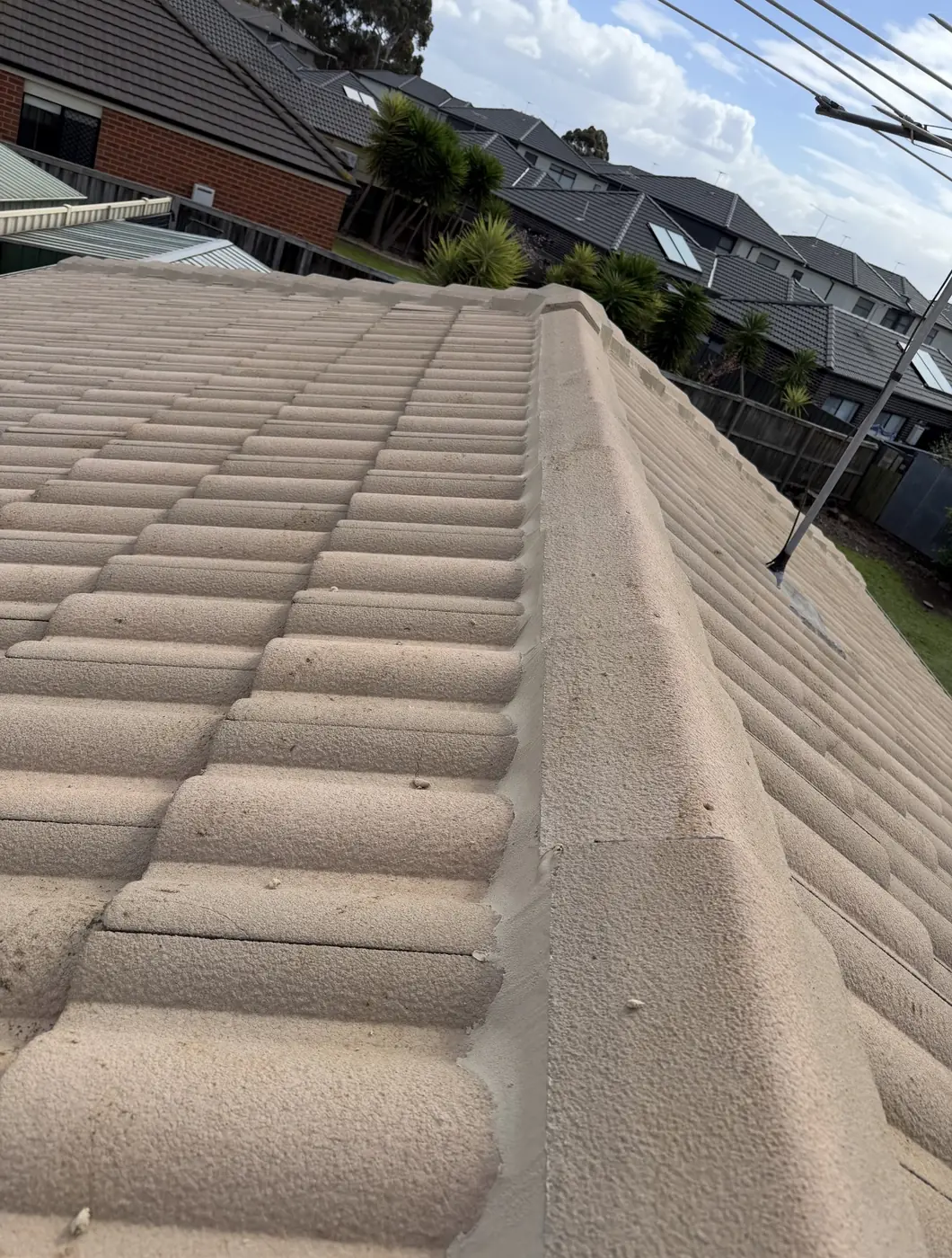
The ridge caps along the top of a tiled roof sit on a bed of mortar, sealed with pointing. Over years of Melbourne summers that mortar dries, shrinks and cracks. In vertical rain it often holds. In driving rain, water gets pushed under the cap and runs along the timber, which is why the stain on your ceiling is rarely under the fault. If the bedding has gone, strong wind can lift caps clean off. We cover the fix in detail on our repointing and rebedding page.
2. Valley irons
Valleys are the channels where two roof planes meet. They carry more water than any other part of the roof. Older valley irons rust through, and leaves and grit build up in them until water backs up and spills over the edge, under the tiles. A storm with heavy rain is exactly the moment a half-blocked valley overflows.
3. Gutters and downpipes
A full gutter in a storm does not just overflow outside. On a lot of houses it overflows backwards, into the eaves and the wall cavity. Blocked downpipes do the same. This is the most common cause of storm-season water damage and the easiest to prevent.
4. Lifted or loose sheets and flashings
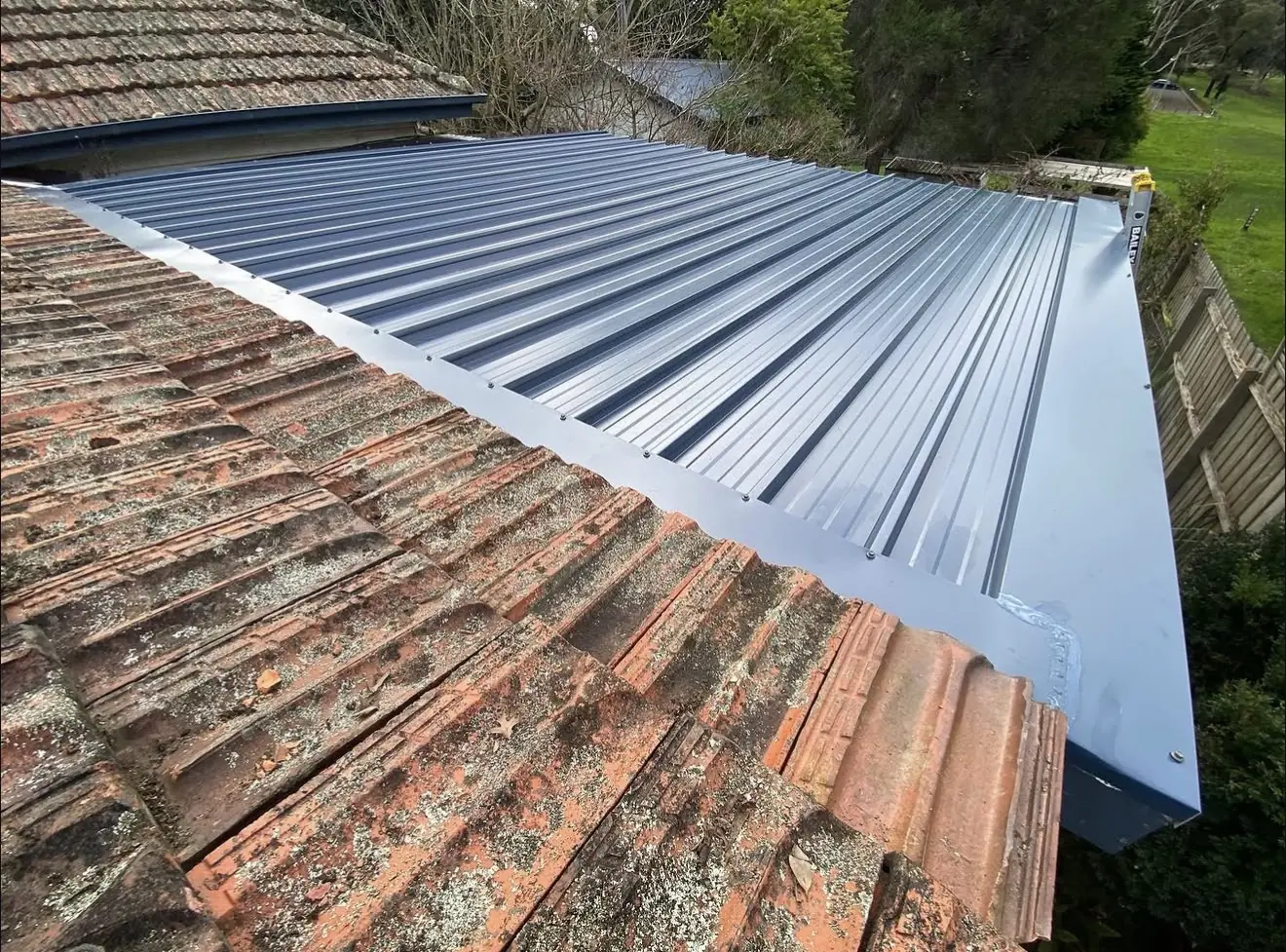
On metal roofs and extensions, wind gets under a sheet that has lost fixings or a flashing that was never fixed properly. Once a corner lifts, each gust levers it further. Flashings around chimneys, skylights and where an extension meets the original roof are frequent leak points in a storm.
What you can check from the ground
You do not need to get on the roof to learn a lot about it, and you should not. Roofs are slippery, old tiles crack underfoot, and a fall from a single storey can be serious. Stay on the ground or at the window and look for these:
- Gaps, cracks or missing mortar along the ridge line, or crumbled mortar on the ground or in the gutters after wind
- Ridge caps or tiles that look out of line, slipped or missing
- Brown rust staining in the valleys, or leaves and debris piled in them
- Gutters with plants growing in them, sagging sections, or water marks on the fascia below
- Downpipes that drip slowly long after rain has stopped, which usually means a blockage
- Sheet edges, ridge capping or flashings on metal roofs that look raised or bent
- Inside: fresh stains on the ceiling, bubbling paint, or a musty smell from the roof space
If you can look in the roof space safely with a torch, do it after rain. Damp timber or water marks on the sarking point back toward where the water came in.
Small jobs that make a big difference before summer
Most storm damage starts small. A few things done in spring save a lot of trouble later:
- Clear gutters, valleys and downpipes, especially under trees
- Replace cracked or slipped tiles before wind gets under them
- Repoint ridge capping where the pointing is cracked but the bedding is still sound
- Refix or replace loose sheets and flashings on extensions and verandahs
- Trim branches that touch or hang over the roof
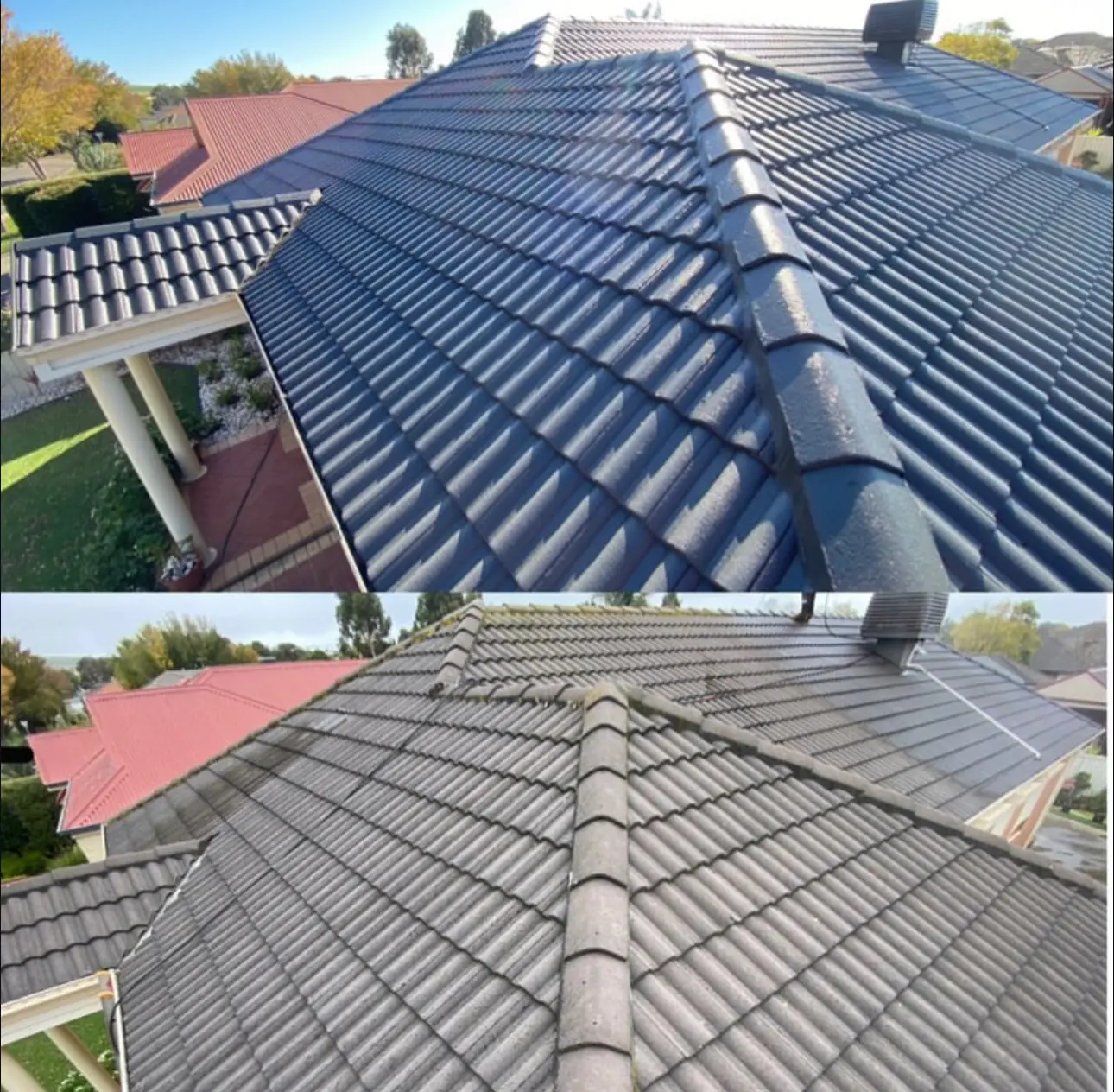
A moss-covered roof also hides cracked tiles and holds water against them. A roof clean before summer shows you the real condition, and that is often all a roof needs.
When to call a roofer
Call if you see any of the following, and do not wait for the next storm to confirm it:
- Mortar on the ground or caps that look loose
- A ceiling stain that grows after rain
- Rust you can see in the valleys from the street
- Anything lifted, flapping or rattling in wind
If water is already coming in during a storm, we can get a temporary fix on it and make the roof safe, then quote the permanent repair once it is dry enough to work on properly. More on how we trace water back to where it started is on our leak detection and repairs page.
Older homes need a closer look
Around our home base in Brunswick and through Northcote, a lot of houses are still on original terracotta or slate, with box gutters behind parapets and valleys over party walls. These roofs can last a long time, but they do not forgive a blocked gutter or failed bedding in a summer storm. If your roof is over fifteen years old and has never been repointed, it is worth having it looked at before the weather turns.
Book a free roof check before summer
We will get on the roof, walk the whole thing, and photograph anything that needs attention. You get the photos whether or not you go ahead. Call 0420 541 479 or send a quote request, and we will call you back within 2 hours, Mon to Sat, 7am to 6pm. Fully insured, with Working at Heights and a Construction White Card, covering 100km around Brunswick.