Guides · · 5 min read
Restore or replace? How to tell if your roof is worth restoring
A restoration can give a tired roof many more years. It can also be money spent on borrowed time. The difference comes down to what is happening under the surface, not how the roof looks from the street.
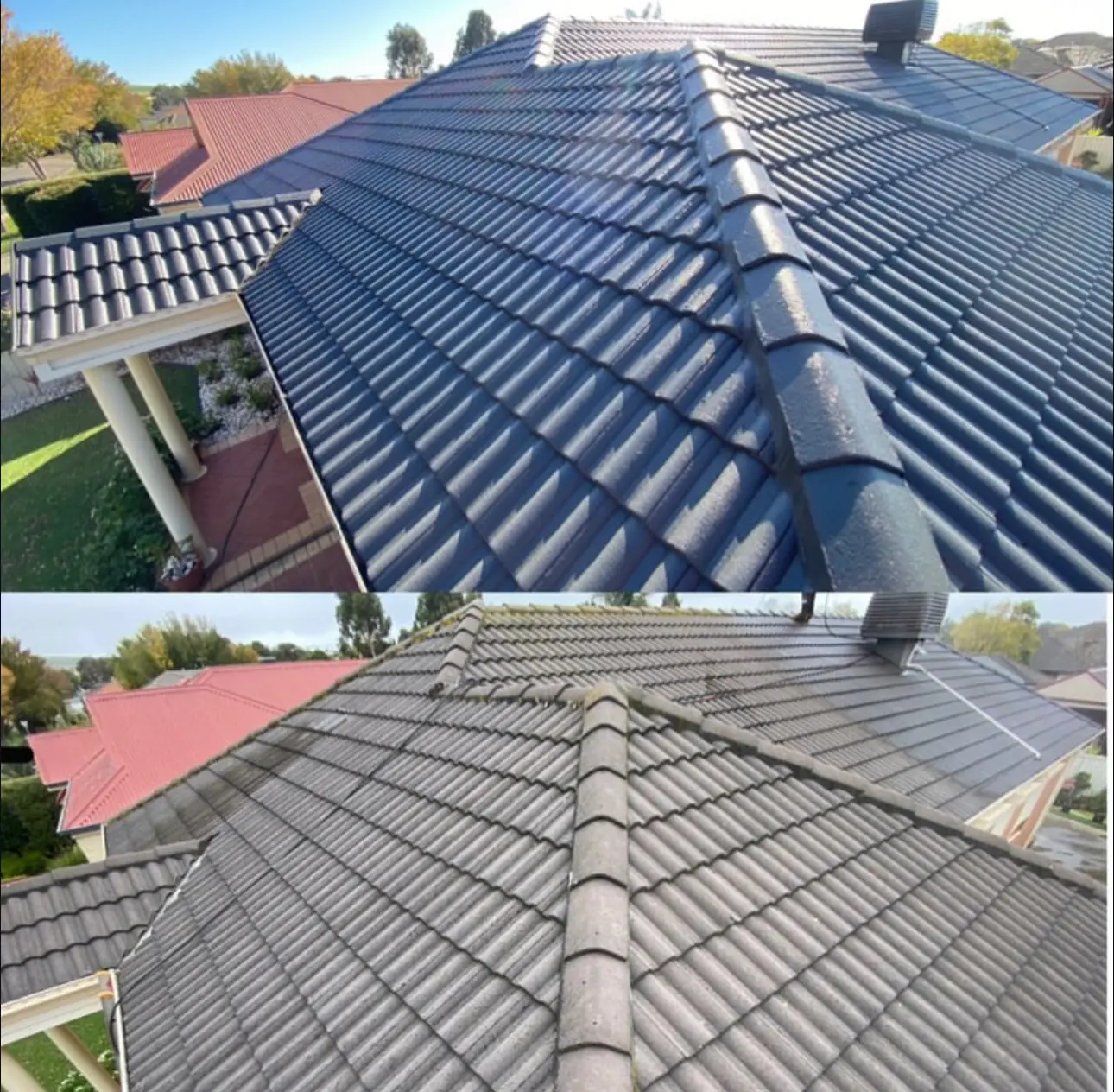
Roof restoration vs replacement in Melbourne is a decision a lot of homeowners make on looks alone, and that is where it goes wrong. A faded, mossy roof can be perfectly sound underneath. A roof that looks fine from the street can be one storm away from needing replacement. The honest answer depends on the tiles themselves, the timber under them, and how many times the roof has already been patched.
Here is how we work out which way a roof should go.
What a restoration actually does
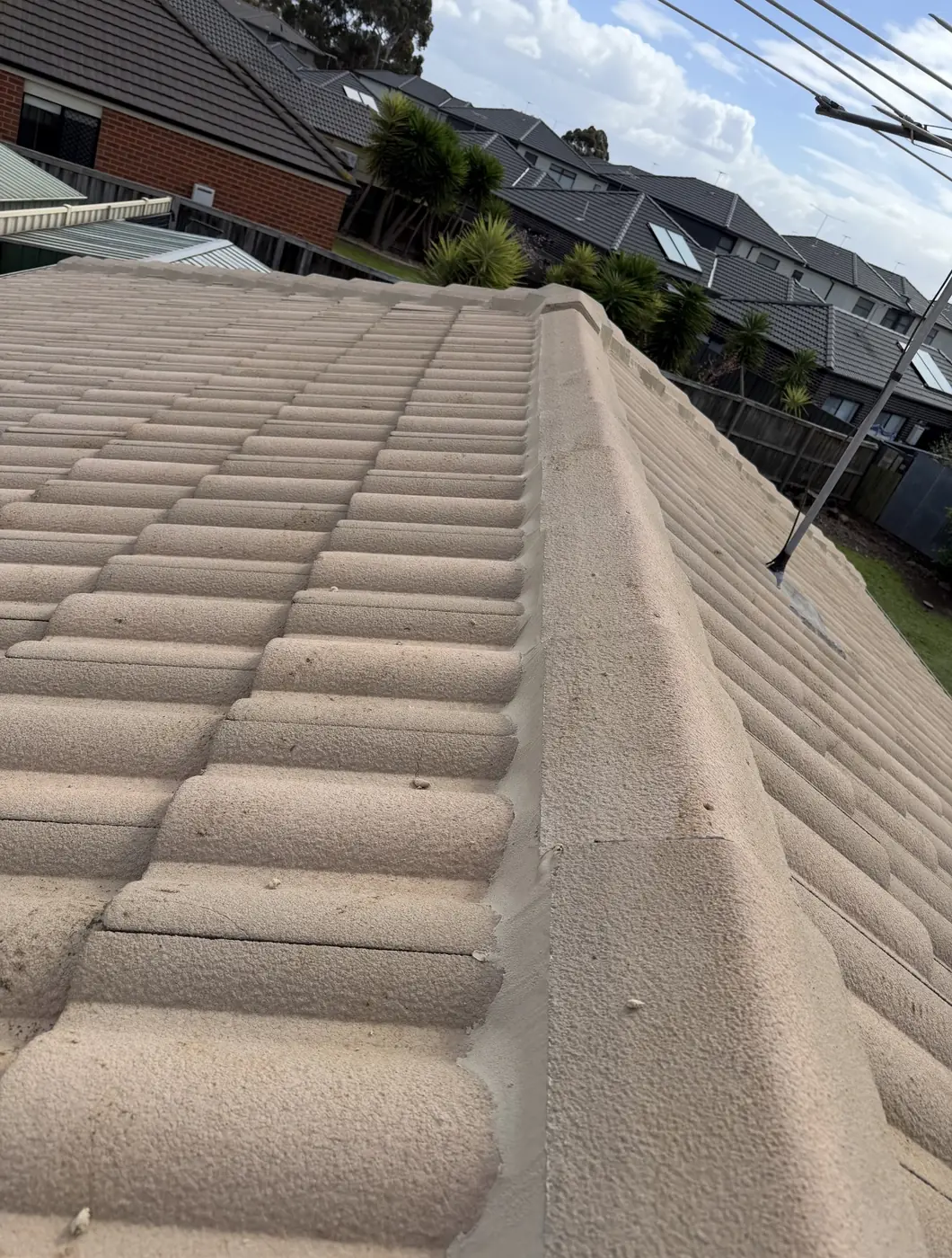
A proper roof restoration on a tiled roof is five stages: inspection, high-pressure clean, rebedding the ridge caps, flexible repointing, and a primer plus two colour coats once the roof is dry. Broken tiles are replaced along the way. It brings back the parts of the roof that wear out, the capping and the surface, while keeping the tiles, battens and structure that are still sound.
What it cannot do is fix tiles that have lost their ability to shed water, or timber that has rotted. Coating over those problems hides them for a while. It does not solve them.
Roof restoration vs replacement in Melbourne: the honest test
Restoration is usually the right call when:
- The tiles are hard and sound, even if they look faded, chalky or mossy
- Failures are at the ridge capping, with cracked pointing or failed bedding
- Only a handful of tiles are cracked or slipped
- The battens feel solid when walked, and tiles do not shift underfoot
- Leaks are coming from the capping, a valley or a few broken tiles, all of which a restoration addresses
Replacement is usually the better spend when:
- The tiles are porous or delaminating, soaking up water rather than shedding it
- Battens or sarking have rotted and tiles move when walked on
- The roof has been patched by several different people and each repair uncovers another problem
- You are planning solar and the roof will not outlast the panels
- Weight is a concern, since Colorbond is a fraction of the weight of concrete tile
Signs you can see from the ground
Some clues are visible without climbing anything. Stay off the roof and look for:
- Tiles that look patchy, with some darker than others after rain, which can mean they are holding water
- Flaking or crumbling tile surfaces, not just faded colour
- A sagging ridge line or roof plane, which points to a structural issue
- Many mismatched tiles from earlier repairs
- Ceiling stains in more than one room
Faded colour and moss on their own are not reasons to replace a roof. A clean often shows the tiles underneath are fine. That is one reason we sometimes recommend a roof clean first, because it shows the real condition before you commit to anything bigger.
Thinking about cost over time
Restoration costs less up front, and on a sound roof it is excellent value. A properly prepared coating should last ten to fifteen years before it needs attention again. The trap is restoring a roof that is already past it. If the tiles are porous or the battens are going, you can end up paying for a restoration, then a series of repairs, then a replacement a few years later anyway.
Over ten years, replacing a failing roof once is often cheaper than restoring it and then patching it. On a sound roof, it is the other way around. That is why the inspection matters more than the quote.
What replacement involves
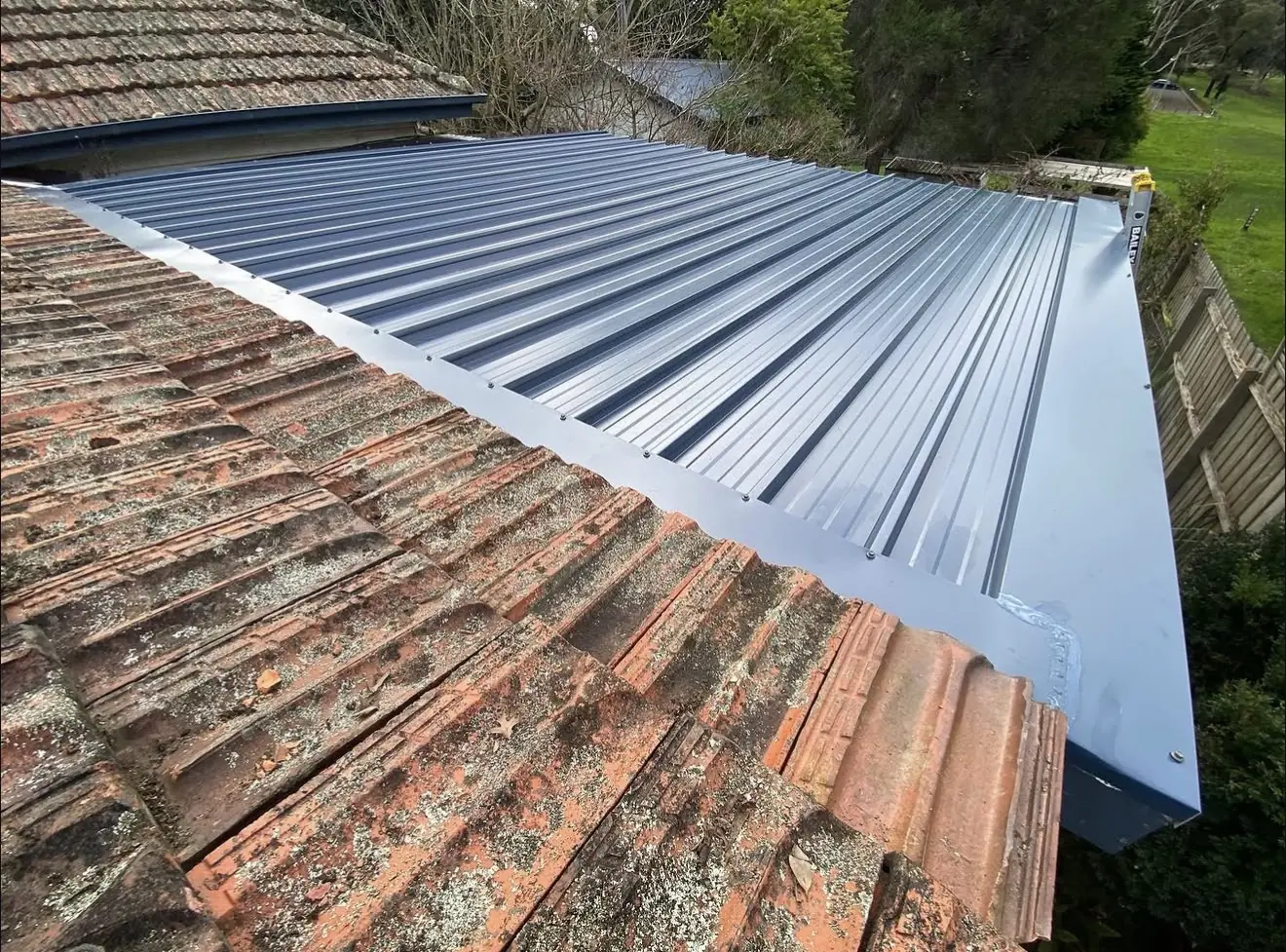
A reroof strips the old roof back to the frame. Rotten battens are replaced, new sarking goes down as a second water barrier, and the roof is re-sheeted, often in Colorbond, with new flashings throughout. Converting tile to metal is common on sixties and seventies homes, and the existing structure is usually more than enough for the lighter load. A typical single-storey house takes one to two weeks depending on the weather, and the roof is never left open overnight.
How the age of your area plays in
Housing stock changes the answer. In suburbs like Preston, a lot of homes are on concrete tile from the fifties to the seventies. Many of those are good candidates for restoration, but some have gone porous and are past it. In Essendon, period homes with original terracotta or slate often reward careful restoration, because the material is worth keeping and hard to match.
Get an honest answer on your roof
We get on the roof, walk the whole thing, and photograph what we find, then tell you straight whether it is worth restoring or due for replacement. If a clean and a few new tiles is all it needs, we will say so. Call 0420 541 479 or send a quote request, and we will call you back within 2 hours, Mon to Sat, 7am to 6pm. The inspection is free and we are fully insured.